The centuries-old Dutch fishing village of Urk, on the IJsselmeer bay, is home to Seaconcept. Anyone born here learns to fish from an early age.
There is hardly a family in Urk that is not in the fishing business. Like the many generations of passionate fishermen before them, most of the men of Urk spend all week fishing aboard boats on the North Sea.
Every Monday morning, at precisely one minute past midnight, the working week begins for these dedicated fishermen. Then they get in their cars, pick up their crews, and drive to the harbor.
After a routine check, they castoff and embark on their long voyage to the fishing grounds. The work on board the fishing boats is extremely exhausting and demanding. In 2 hour shifts, these dedicated fishermen work all day and night.
These genes are also at the core of the Seaconcept team, who work with the same precision and passion as the fishermen of their homeland.
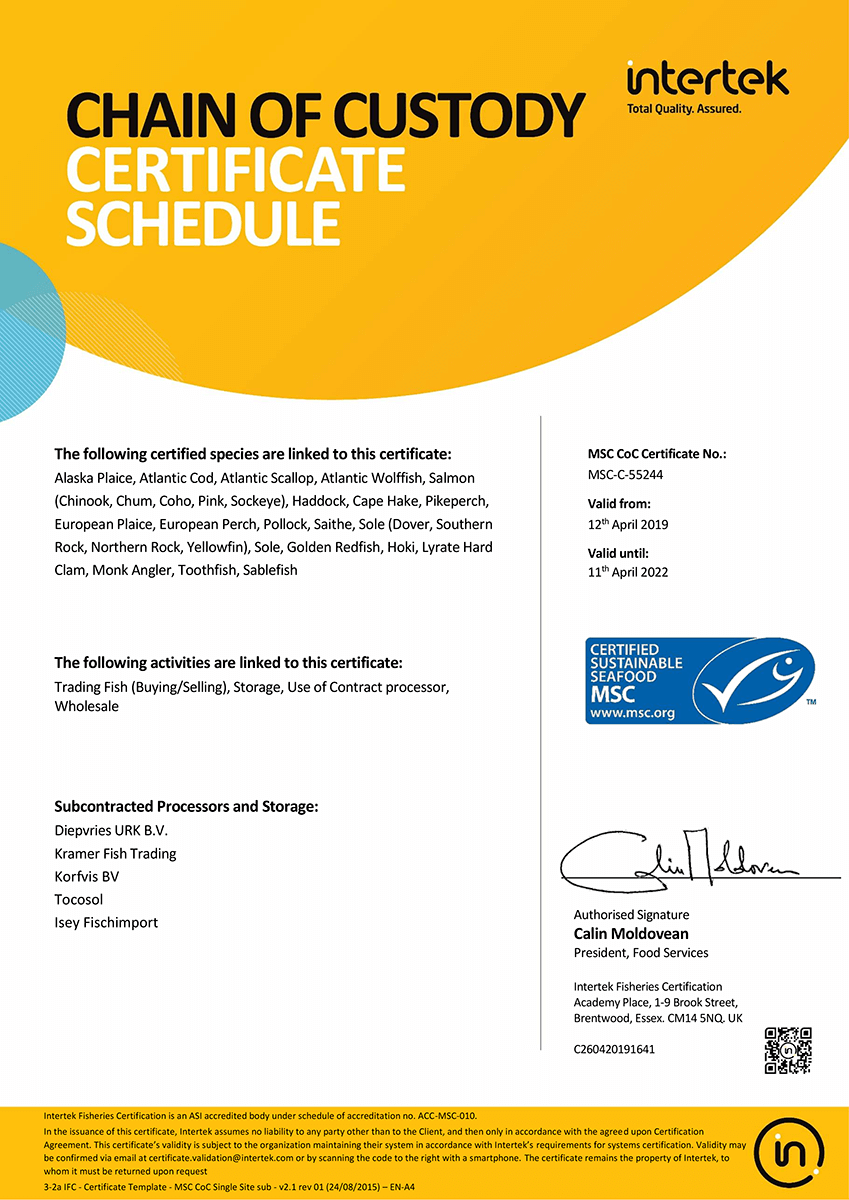
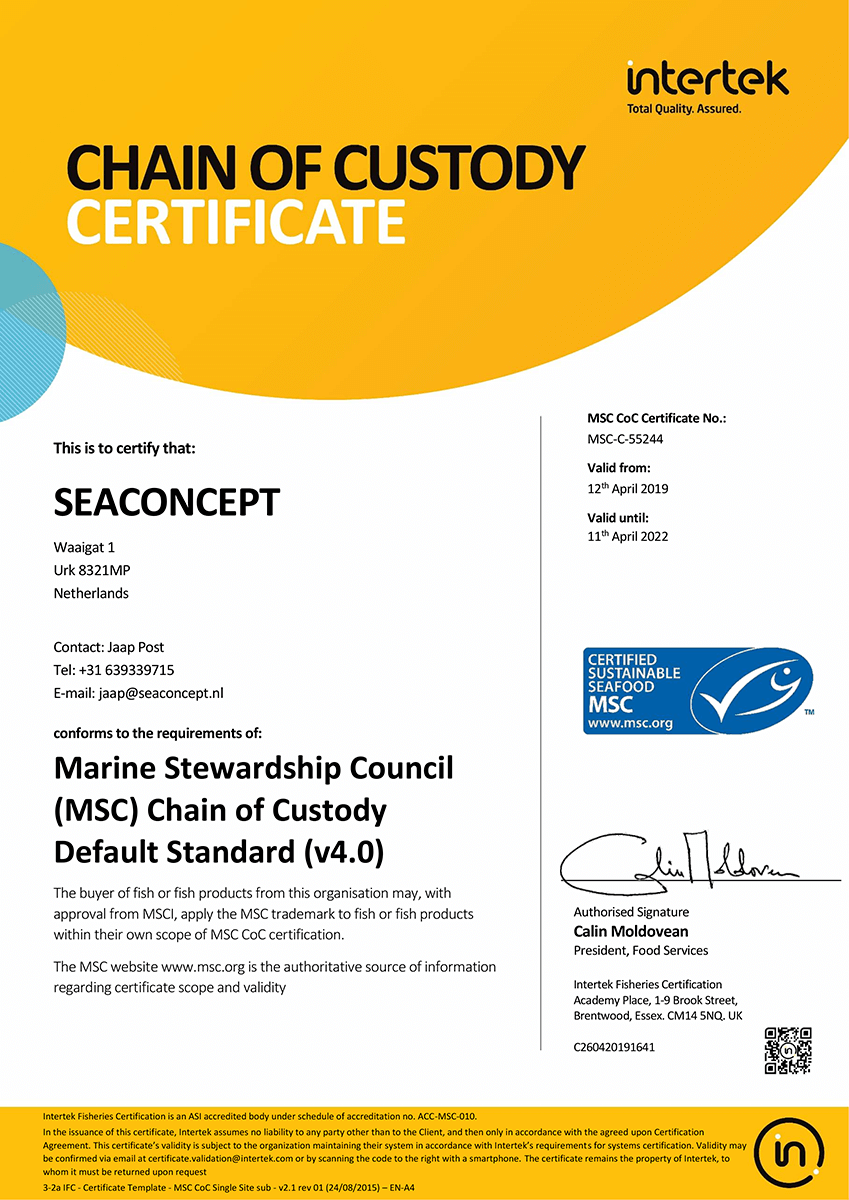
Seaconcept offers top quality fresh fish and frozen seafood products from all over the world, with a focus on Norway, Iceland, the North Sea, and products from Asia.
Our company is involved in every step of the value chain, and therefore we can reliably deliver our quality products punctually. We ensure this each and every day through our experience with our fishermen and producers. Our know-how in fishing and processing makes all the difference.
We have a large and growing selection of fresh fish from the FAO 27 fishing area, Northeast Atlantic. With the following map you can learn more about the fresh fish in our assortment.
FAO 67
Alaska Pollock – Theragra chalcogramma
Pink Salmon – Oncorhynchus gorbuscha
Fresh & Frozen Fish FAO 27
Plaice – Pleuronectes platessa
Atlantic Redfish – Sebastes norvegicus
Cod – Gadus morhua
Haddock – Melanogrammus aeglefinus
Saithe – Pollachius virens
Atlantic Catfish – Anarhichas lupus
Black Halibut – Reinhardtius hippoglossoides
White halibut – Hippoglossus hippoglossus
North Sea Lemon Sole – Microstomus kitt
Arctic Char – Salvelinus alpinus
North Sea Sole – Solea solea
Turbot – Psetta maxima
Monkfish – Lophius piscatorius
Red Gurnard – Chelidonichthys lucernus
Dab – Limanda limanda
Flounder – Platichthys flesus
And so on …
FAO 05
Northern Pike – Esox lucius
Pikeperch – Stizostedion lucioperca
FAO 81
Hoki – Macruronus novaezelandiae
FAO 47
Cape Hake – Merluccius capensis
Tilapia – Oreochromis spp.
Pangasius – Pangasius hypophthalmus
Gilt–Head (Sea) Bream – Sparus aurata
European Sea Bass – Dicentrarchus labrax
Atlantic Salmon – Salmo salar
Vannamei Shrimp
Black Tiger Prawns
Currently, we deliver frozen fish from the FAO 5, 47, 67, and 81 fishing areas. We also offer frozen fish from Turkey, Southeast Atlantic, Northeast Pacific and Southwest Pacific. With the following map you can learn more about the frozen fish in our assortment. Additionally, we also offer aquaculture products from various countries. We are continually expanding our product range.
FAO 67
Alaska Pollock – Theragra chalcogramma
Pink Salmon – Oncorhynchus gorbuscha
Fresh & Frozen Fish FAO 27
Plaice – Pleuronectes platessa
Atlantic Redfish – Sebastes norvegicus
Cod – Gadus morhua
Haddock – Melanogrammus aeglefinus
Saithe – Pollachius virens
Atlantic Catfish – Anarhichas lupus
Black Halibut – Reinhardtius hippoglossoides
White halibut – Hippoglossus hippoglossus
North Sea Lemon Sole – Microstomus kitt
Arctic Char – Salvelinus alpinus
North Sea Sole – Solea solea
Turbot – Psetta maxima
Monkfish – Lophius piscatorius
Red Gurnard – Chelidonichthys lucernus
Dab – Limanda limanda
Flounder – Platichthys flesus
And so on …
FAO 05
Northern Pike – Esox lucius
Pikeperch – Stizostedion lucioperca
FAO 81
Hoki – Macruronus novaezelandiae
FAO 47
Cape Hake – Merluccius capensis
Tilapia – Oreochromis spp.
Pangasius – Pangasius hypophthalmus
Gilt–Head (Sea) Bream – Sparus aurata
European Sea Bass – Dicentrarchus labrax
Atlantic Salmon – Salmo salar
Vannamei Shrimp
Black Tiger Prawns
Seaconcept offers the highest quality fresh fish and frozen seafood from all over the world, with a focus on Norway, Iceland, the North Sea and products from Asia.
Our company is involved in every step of the value chain and can therefore deliver our quality products reliably and on time. We ensure this every day through our experience with our fishermen and producers. Our know-how in fishing and processing makes the difference.
Norway is a country with a strong sustainable economy. Norway´s national fisheries management system monitors fishing on the Norwegian coast and the Barents Sea with strict controls to ensure that it is always carried out legally and in accordance with regulations. The management system in the Barents Sea is recognized by the WWF and certified by the Marine Stewardship Council (MSC). The fishermen in this region fish with bottom-set longlines, which are deployed horizontally along the seafloor. Bottom-set longlines have fewer problems with seabird by-catch and less impact on the seabed.
Immediately after the catch, the fish are stored in cold water or on ice. The boats then set sail for selected landing sites (Mortaks). There the fish are gutted and sorted. The fish are then transported to Urk, where subsequent to further quality controls, are delivered to our customers as whole fish or hand filleted cuts.
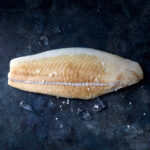
Jacob de Vries knows the in depth story of the fish he fillets. He knows where they come from, who catches them, how they live, their anatomy, flesh and flavor. Every fish is different and Jacob and his team bring the best out of every fish fillets. This is an art that can only be achieved by hand.
The SeaConcept team is on the road for its customers throughout the year. We are always on the lookout for new ideas, products, and contacts. We visited many exciting places. We would like to share a few of our impressions with you, through the picture gallery below.
We visited the world’s most sustainable Arctic Char farm in Iceland. This farm was established in 2017. At the invitation of our colleagues from BINCA Vietnam, we learned about aquaculture in Vietnam. Organic Salmon is a growth market. We were on site, at the farms in Ireland.
A highlight for us was the Boston Seafood Show. That’s where we came up with the idea for our latest innovation “fish and ancient grains”. After the Boston Seafood Show we drove to Gloucester, Massachusetts, to experience the golden redfish and angler monkfish fisheries first-hand. Auke visited over 20 different companies on his tour to learn more about fishing in Alaska for Salmon, King Crab, and Plaice.
Accompanied by Jacob de Vries, our partner for our Lofoten project, we met with many fishermen and visited various fish auctions in the Lofoten. We were interested to learn the various fishing methods and bait that they use e.g., to catch MSC shrimp. On our second visit to Norway, we visited the Skrei fishing stations in the north and also learned more about Atlantic halibut. In Germany, smoked trout is very popular. Jaap and Auke were able to observe the entire value chain of this product in Turkey, from the farm to the finished product, which is imported into the EU.
Seaconcept, together with its production partners, has developed a wide range of fish convenience products. In addition to the standard convenience products, this product range includes fish coated with fine batters and various special breadings. In collaboration with our customers, we can also quickly develop new original convenience food concepts for retail and the foodservice industries.
Today, convenience products have become indispensable in the modern kitchen. That´s why Seaconcept has kept pace with the latest Ready-To-Eat product trends. Our convenience fish products are suitable for cooking in frying pans, deep fryers, and conventional or convection ovens. Pre-fried products only need to be heated up. However, raw breaded products still require cooking.
Seaconcept supplies products with a variety of quality levels. Such products include those made from mince, bits & pieces, shaped from blocks, cut from blocks, or naturally grown. These products are also available as single or double frozen.
We offer a wide selection of breading and breading systems, such as crispy breading, gluten-free breading, potato breading, lightly dusted, etc.
We offer a wide selection of batters for our products, such as beer batter, tempura batter, or special crunchy batters. We have almost every batter imaginable in our assortment. These batters can be combined with various hand-cut nuggets or juicy fillets to create an exceptional taste experience.
Our convenience food products are produced in the Netherlands and Germany, by IFS and BRC certified production facilities.
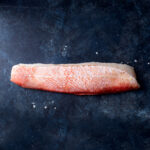
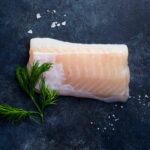
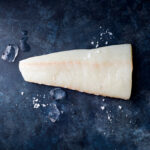
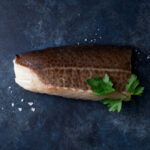
Seaconcept proudly presents a new product line with only high-quality hand-cut loins. We searched for the best quality fish and combined this with sensational recipes to create a perfect match. The fish is filleted and checked by hand directly from the source, with a completely transparent chain, so that we can guarantee absolute top quality. Immediately after filleting, the fish is frozen using the latest technologies so that the taste and quality are retained.
Only this fish, which you get on your plate, may call itself “Handflakad”, which stands for hand-filleted fish in the Icelandic language.


1. Bring 100 ml of water, the mustard seeds and 50 ml of white wine vinegar to a boil in a saucepan. Simmer for 20 minutes, let it cool in the liquid.
2. Slice the cabbage using the mandolin into strips. Pour 75 ml of white wine vinegar into a bowl, stir 1 tablespoon salt and sugar well so that it dissolves. Stir in the cabbage. Add enough water so that the cabbage is submerged, let the cabbage marinate.
3. Cook the celeriac 15 minutes. Spoon into the food processor. Puree with 1 tablespoon of butter until it becomes a creamy puree.
4. Heat 2 tablespoons of butter in a large frying pan. Pat the Saithe loins dry and sprinkle salt and pepper on both sides. Place the fish in the pan and fry on medium heat until golden brown, about 4 minutes. Flip the fish with a spatula and fry the other side for 3 minutes until cooked, depending on the thickness of the fish.
5. Heat a knob of butter in another frying pan, bake the apple wedges golden brown and cooked through. Add the roasted beets warm together.
6. Divide the celeriac puree over 4 preheated plates and place the fish on top. Place the apple wedges and cabbage pickles next to it. Spoon some mustard seeds without the liquid over the fish. Garnish with nasturtium.
Shopinglist
6 tablespoons yellow mustard seeds
125 ml white wine vinegar
¼ purple pointed cabbage
1 tablespoon cane sugar
½ celeriac, in cubes 3 by 3 cm
50 grams butter
500 grams saithe loins, at room temperature
1 elstar apple, sliced in wedges
4 baby beets with leaves, roasted
Optional
Nasturtium or Tarragon tops
Also needed
Mandolin
Food processor
Saithe (pollachius virens)
Fishing Area: FAO 27 – Sub V
Saithe is a close relative to Cod. Saithe has a more characteristic taste than most white fish species. Its distinctive flavour goes well with spicy dishes and other strong flavoured ingredients. Its meat also has a firm texture and is well suited to frying. Saithe is especially rich in protein and Vitamins D and B12.
1. Cook the fregola pasta according to the instructions on the package. Drain the cooking liquid and stir 1 tablespoon of oil into the pasta.
2. Heat 1 tablespoon of oil in a saucepan, add the tomatoes, put a lid on and stew over low heat for 15 minutes.
3. For the dressing, mix the shallots and vinegar and leave them for 5 minutes. Puree the tomato with the hand blender and stir into the shallot mixture. Season with salt and pepper. Beat 6 tablespoons of oil into the dressing. Stir in the finely chopped basil at the last minute.
4. Slice 3 cauliflower florets and the baby fennel nodules with the mandolin into thin slices.
5. Pat the haddock dry and cut notches in the skin with a sharp knife. Season with salt and pepper. Heat 2 tablespoons of oil in a non-stick frying pan. Bake the fish skin side down for 4 minutes until golden brown and crispy. Turn the fish over and fry the other side for 2 minutes. Move the fish aside, add the samphire and stir-fry for 1 minute.
6. Put a few tablespoons of fregola in a deep plate, spoon the samphire and the tomato vinaigrette over it. Place the fish on the pasta. Divide the cauliflower florets and fennel around it. Grate the remaining purple cauliflower florets over the dish. Drizzle with lemon juice and garnish with petals if desired.
Shopinglist
250 grams fregola pasta or pearl couscous
10 tablespoons olive oil
100 grams cherry tomatoes
1 small shallot, finely chopped
1 tablespoon white wine vinegar
3 purple basil sprigs, finely chopped
5 purple cauliflower florets
2 baby fennel
500 grams haddock loins with skin, scaled
150 grams samphire
½ lemon
Optional
Edible flowers
Also needed
Hand blender
Mandolin
Haddock (melanogrammus aeglefinus)
Fishing Area: FAO 27 – Sub IV
A premium whitefish, Haddock is a member of the Cod family, though smaller than the Cod. Haddock has a firm yet tender texture, with a fine flake. The raw meat is white and cooks up even whiter. Haddock’s delicate flake and slightly sweet taste give it a wonderful, melt-in-the-mouth appeal.
1. Cook the quinoa according to the instructions on the package. Drain the cooking liquid.
2. Cut the Romanesco florets in half and cook until al dente in salted boiling water for 2 minutes. Drain and toss with 1 tablespoon of oil.
3. For the tarragon oil, mix in a small bowl 5 tablespoons oil, the finely chopped tarragon, red pepper and 1 teaspoon grated lemon zest. Squeeze the juice of half a lemon. Season the oil with lemon juice and salt. Stir the raspberries into the dressing.
4. Cut half of the radish with the mandolin into waferthin slices and grate the other half.
5. Heat 2 tablespoons of oil in a thick-bottomed frying pan. Pat the redfish dry. Make notches in the skin with a sharp knife. Season with salt and pepper. Bake the fish skin side down for 2 minutes until golden brown and crispy. Flip the fish with a spatula to fry the other side for 2 minutes.
6. Heat 1 tablespoon of oil in a large pan. Briefly stir-fry the spinach (with stalks) over high heat, and season with salt and pepper.
7. Divide the quinoa onto 4 pre-heated plates and spoon the spinach on top. Place the fish on top and spoon the raspberry-tarragon dressing around it. Garnish with radish slices and grated radish.
Shopinglist
200 grams black quinoa
½ romanesco, in florets
9 tablespoons extra virgin olive oil
5 tarragon sprigs, finely chopped + tops to garnish
½ chili pepper, finely chopped
1 organic lemon, washed
6 raspberries, roughly chopped
8 long radishes
500 grams redfish loins skin on, at room temperature
250 grams wild spinach, washed
Also needed
Mandolin
Coarse microplane
Grater
Redfish (sebastes norvegicus)
Fishing Area: FAO 27 – Sub V
The Redfsh is a bright red-orange skinned arctic rockfish, with a wonderful texture and rich flavour. Redfish is able to be paired with many different flavour profiles, from light Mediterranean herbs to fresh ground spices that pack a punch. This is a versatile fish that remains moist and delicate after cooking.
Prepare (at least 24 hours in advance)
Bring shallots to a boil with 375 ml of water, 1½ tablespoon of salt, the sugar and the vinegar. Cook on low heat for 3 minutes. Spoon shallots on the dill sprigs in the jar, pour the pickle liquid over.
1. Preheat the oven to 180 °C. Cook the lentils, the celery and garlic for about 25 minutes. Remove the celery, press the garlic clove into a smooth puree and mix with the lentils. Season with 2 tablespoons of oil, salt and pepper.
2. Roast cherry tomatoes with 1 tablespoon of oil, sprinkle with salt 20 minutes in the oven.
3. Puree 2 avocados in the blender into a creamy puree. Season with lime juice, salt and pepper. Peel thin slices of the remaining avocado with a peeler. Drizzle with lemon juice and roll loosely.
4. Sprinkle salt and pepper on the Catfish loins. Heat 2 tablespoons of oil, fry the fish for 4 minutes over medium heat until golden brown. Flip the fish and fry the other side for 2 minutes.
5. Spread the avocado puree in the center of the plate. Place the fish on top, 2 tablespoons of lentils around it and serve the rest separately. Take shallots apart and spread over the lentils. Arrange the tomatoes around it. Garnish with spinach leaves, young celery leaves and curls of avocado.
Shopinglist
10 shallots, halved
40 grams cane sugar
125 ml rice vinegar
1 tablespoon white wine vinegar
5 dill sprigs
150 grams beluga lentils
1 stalk of celery + yellow leaves to garnish
1 clove garlic, peeled
7 tablespoons olive oil
400 grams yellow and red cherry tomatoes
3 avocados
1 lime, squeezed
500 grams catfish loins, at room temperature
1 handful baby spinach
Also needed
Clean preserving jar
Hand blender with Chopper
Catfish (anarhichas lupus)
Fishing Area: FAO 27 – Sub V
This ferocious-looking wolffish gets its name from the sharp, protruding teeth it uses to feast on lobsters, clams and other shellfish. The lean, pearly white flesh of the wolffish has a firm texture and a mild, sweet flavour. Because it lives on shellfish, the flesh can also have a flavour similar to shellfish. This versatile fish holds together well and can be cooked successfully using many different methods.
1. Soak the saffron threads with 100 ml of wine in a small bowl.
2. Cut 3 yellow celery sticks from the heart into small ½ by ½ cm cubes for the risotto. Cut the remaining stems into 2 cm pieces. Bring the celery to a boil with 3 liters of water and salt, simmer for 30 minutes. Pour the stock through a sieve and bring back to the boil.
3. Heat the oil in a thick-bottomed pan. Bake the onion and celery cubes for 5 minutes without colouring. Add the risotto rice and fry for 2 minutes. Crumble the chili pepper if desired. Add 150 ml of wine and the saffron threads and wine mixture. When the wine has evaporated, add about 1250 ml of boiling celery broth little by little. Season with salt. Keep stirring the rice with a wooden spoon. Keep the rice at a simmer with sufficient broth so that the rice can be cooked. Check after 20 minutes if the rice is cooked but still has ‘bite’. Stir the spinach and basil leaves together with the butter and the grated cheese into the risotto. Put a lid on the pan and let the risotto stand for 5 minutes. Season with salt and pepper.
4. Add the remaining 50 ml wine to the remaining celery broth and bring to a boil again. Season the halibut with salt and pepper. Poach the fish in the broth on low heat for approximately 5 minutes.
5. Spoon risotto into 4 preheated deep plates, place the fish on top. Spoon the fish eggs onto the fish. Garnish with young celery leaves and purple basil leaves if desired.
Shopinglist
25 saffron threads
300 ml dry white wine
1 bunch celery + young yellow leaves to garnish
3 tablespoons olive oil
1 onion, finely chopped
250 grams arborio rice
200 grams baby spinach + to garnish
5 basil sprigs, leaves picked
15 grams butter
2 tablespoons grated parmesan cheese
4 halibut loins à 100 grams, at room temperature
4 tablespoons orange tobikko fish eggs
Optional
1 dried chili pepper
Purple basil leaves to garnish
Halibut (hippoglossus hippoglossus)
Fishing Area: FAO 27 – Sub II
The largest of all flounders and flatfish, Halibut can weigh over 300 kilo. An average caught Halibut weighs around 12-15 kilo. Halibut is a lean fish with mild, sweet tasting white flesh, large flakes and a firm but tender texture. It’s thick, succulent meat holds together perfectly and can be prepared many different ways, including grilling, sauté, or battering and frying.
1. Preheat the oven to 175 °C. Chop the pistachio nuts, parsley, oil and 1 teaspoon grated orange zest in the chopper until it becomes a coarse mixture. Season with salt and pepper. Cut along the skin and flesh with a sharp knife to peel the orange. Cut between the membranes to segment the orange, stir the orange into the pistachio salsa.
2. Boil the sweet potatoes for about 15 minutes. Drain the cooking liquid and stamp with a potato masher into a coarse mash. Season with salt and pepper.
3. Spread the onion rings over the bottom of the baking dish. Cut the zucchini with the spiral cutter into long strings and spread over the onions. Cut notches in the skin of the cod with a sharp knife and sprinkle with salt and pepper. Place the fish on top of the zucchini. Spread some lumps of butter on the fish, pour the wine around it. Bake the fish for approximately 15 minutes.
4. Heat the rest of the butter in a saucepan. Let it brown and swirl the pan until the butter starts to turn golden brown. Remove the pan from the heat.
5. Divide the potatoes puree onto 4 large preheated plates. Place the zucchini and onions next to it and put the fish on top. Spoon the gravy over the fish. Spoon the pistachio salsa with orange slices around it. Finally spoon the brown butter over the fish and garnish with young sprigs of parsley.
Shopinglist
50 grams peeled pistachio nuts
2 tablespoons parsley + young sprigs to garnish
60 ml extra virgin olive oil
1 organic (blood) orange, washed
500 grams sweet potatoes, peeled
1 red onion, thinly sliced rings
1 small yellow zucchini
500 grams cod loins, at room temperature
100 ml rosé wine
75 grams of butter
Also needed
Hand blender with chopper
Buttered baking dish
Spiral cutter
Cod (gadus morhua)
Fishing Area: FAO 27
The Atlantic Cod is one of the most well-known fish around the world and is appreciated for its delicate flavour, firm meat and beautiful white appearance, both cooked and raw. The meat separates into large, juicy flakes and has a slightly sweet taste. Due to the slow growth in its cold water surroundings, the Cod develops a rich and complex flavour that is incredibly easy to combine with a wide variety of flavour profiles.
1. Cook potatoes and parsnip for about 20 minutes. Heat the milk with 1 tablespoon butter in a saucepan. Scoop them in the food processor, add the milk, salt and pepper and puree until it becomes a smooth creamy puree. Return the puree to the pan, and fold in the chard, keep the puree warm.
2. Bring the wine with the shallot in a saucepan to a boil. Boil the wine until there are 2 tablespoons of liquid left. Add the cream. Reduce the heat to low temperature and whisk the cold butter cubes through the sauce. Keep the sauce on warm spot. Season with salt and pepper.
3. Blanch the broad beans for 1 minute in boiling water (without salt). Scoop them into a bowl of ice water. Make an opening in the skin with your thumbnail and press the beans out.
4. Heat 2 tablespoons of butter in a frying pan, sprinkle plaice loins with salt and pepper. Fry the fish until golden, flip over after 4 minutes, bake the other side for 2 minutes until cooked.
5. Divide the mash into 4 large preheated plates. Place the fish over half of the mash. Place the fish pan back on the flame. Add the samphire and fava beans with a few tablespoons of water and simmer for 2 minutes. Scoop the vegetables next to the fish. Spoon the white wine sauce on the fish. Garnish with baby chard leaves and edible flowers if desired.
Ancient food grains are becoming increasingly popular with consumers. They contain many essential nutrients such as fiber, proteins, and minerals. The trend towards natural and wholesome foods is leading consumers to food grains such as Teff, the cultivation of which has not been modified for many hundreds of years. The trend also embraces so-called pseudo-grains, such as quinoa and amaranth, which have gained superfood reputations.
Seaconcept recognized this trend in its early stages, and has created many interesting convenience food products made from various ancient and pseudo grains.
Amaranth
Quinoa
Linseed
Teff
Buckwheat
Cookies
We use cookies to understand how our website is used, so we can keep improving it. Read more in our privacy statement.